Compare real-time infrastructure monitoring
Elevate Effectiveness: Top-tier Data Center Infrastructure Management Services for Exceptional Performance
Improving efficiency in data centers is needed for organizations attempting to advance functioning. Top Data Center Infrastructure Management (DCIM) services present vital solutions for live monitoring and analytics. Solutions from ServiceNow, Sunbird, Schneider Electric, and Nlyte differentiate themselves in this marketplace. These services not only keep tabs on assets but also perfect resource utilization. Understanding how to settle on the right DCIM solution can bring about significant benefits. What points should organizations deliberate to make an prudent choice?
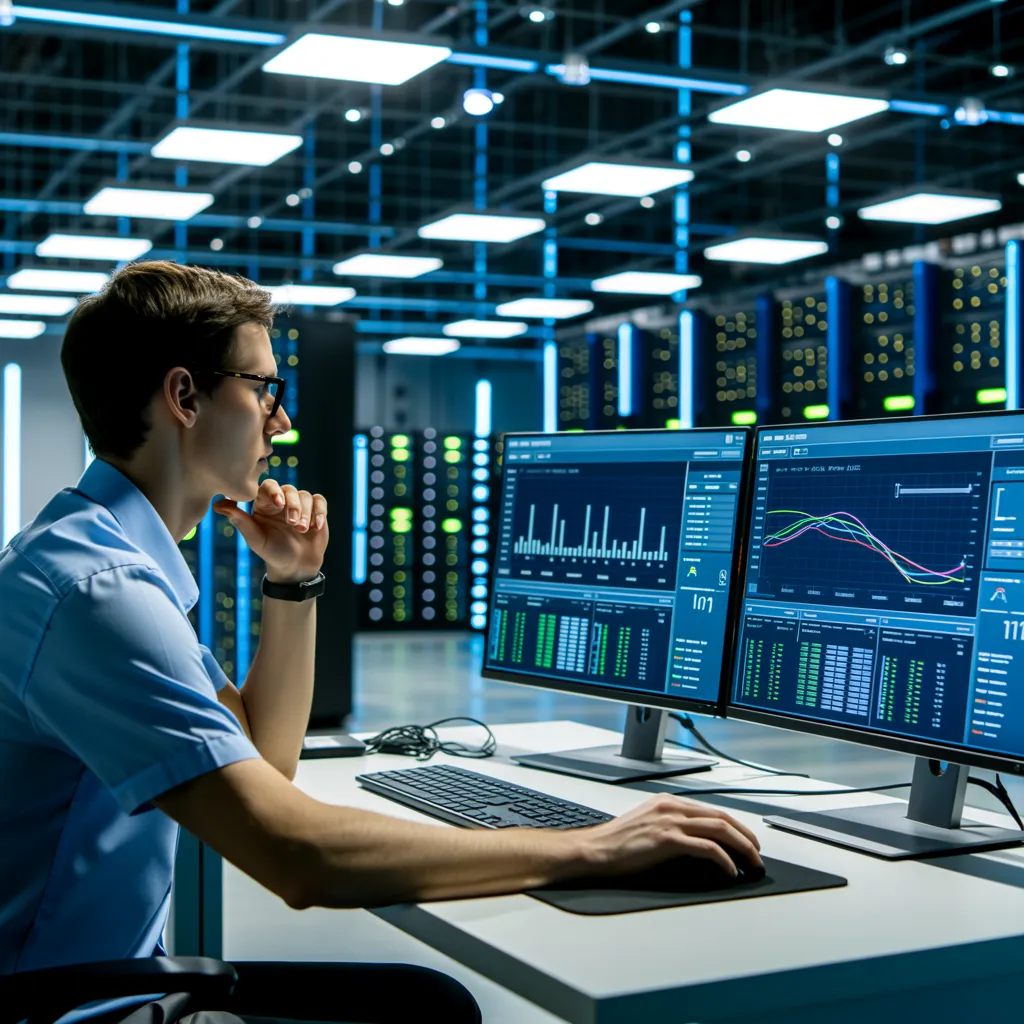
Top DCIM Services for 2023
As organizations ever more depend upon data centers to sustain their endeavors, identifying the best Data Center Infrastructure Management (DCIM) systems for 2023 becomes vital. Established DCIM systems offer thorough solutions designed to enhance resource management, refine operational efficiency, and guarantee robust monitoring capabilities. Notable contenders in the market include ServiceNow, known for its integration capabilities, and Sunbird, which performs exceptionally in real-time visualization and reporting. Additionally, Schneider Electric provides a powerful platform for energy management and asset tracking.
Another important player, Nlyte, focuses on improving data center performance through advanced analytics. These solutions not only enable improved decision-making but also assist with forecasting upcoming needs. As data demands continue to grow, selecting a DCIM service that offers scalability and adaptability is critical. Ultimately, organizations must evaluate their particular needs to select the most suitable DCIM service, ensuring peak efficiency and reliability in their data management strategies.
Grasping server facility system administration (DCIM)
Data Center Infrastructure Management (DCIM) covers a collection of instruments and practices designed to monitor, manage, and optimize data center assets. By integrating IT and facility management, DCIM delivers comprehensive insight into the performance and utilization of critical assets. This approach enables real-time data collection, allowing operators to take knowledge-based actions regarding energy consumption, temperature management effectiveness, and space utilization.
DCIM products typically supply capabilities including inventory tracking, capacity planning, and condition monitoring, which together enhance operational efficiency. They allow facility operators to recognize impediments, optimize systems, and minimize operational costs. Moreover, DCIM enables business planning for future expansions and helps organizations to comply with legal requirements. By adopting proven DCIM techniques, data centers can achieve better dependability, improved sustainability, and greater overall performance, consequently fostering superior support services in a rapidly evolving digital landscape.
Key Attributes for Picking Powerful DCIM Solutions
Selecting effective Data Center Infrastructure Management (DCIM) services necessitates careful assessment of critical capabilities that boost operational efficiency and asset optimization. Crucial characteristics include immediate monitoring capabilities, delivering immediate awareness into energy consumption and environmental conditions. Integration with existing infrastructure is also vital, as frictionless interaction fosters a integrated approach to information governance.
Scalability is another significant feature, enabling organizations to adjust as their infrastructure grows and changes. Advanced analytics can provide forecasting intelligence, supporting active planning and minimizing downtime. User-friendly interfaces enhance accessibility for multiple users, while robust security measures protect sensitive data.
In conclusion, customization options guarantee that DCIM services can be configured to meet specific organizational needs. By prioritizing these vital elements, organizations can identify DCIM services that not only optimize performance but also contribute to continuous improvement and strategic advancement.
Identifying the Best DCIM Solution Created to meet Your Requirements?
How can an company determine the best DCIM solution tailored to its unique needs? The choosing procedure begins with a comprehensive assessment of current infrastructure and operational requirements. Organizations should identify particular goals, such as enhancing uptime, enhancing resource utilization, or refining capacity planning. Additionally, evaluating expandability is critical; a solution must adjust to future growth and technological advancements.
Subsequently, enterprises must review integration options. The ideal DCIM solution should integrate seamlessly with existing tools and platforms. Usability also is important; intuitive interfaces enhance user uptake and efficiency.
Moreover, organizations should examine supplier backing and community participation, as ongoing assistance and resources can be important. In summary, running a cost-benefit analysis ensures that the chosen solution complies with financial parameters while delivering the expected outcomes. By following these steps, institutions can assuredly elect a DCIM product that meets their particular needs and enhances aggregate performance.
Applying DCIM Instruments to Maximize Power Optimization
Leveraging DCIM tools can greatly enhance operational efficiency within data centers. By delivering extensive insights into power consumption and thermal dynamics, these tools permit operators to identify inefficiencies and enhance resource allocation. With immediate data on power consumption, data center managers can make informed determinations about equipment placement and cooling strategies, ensuring that energy is not lost.
DCIM solutions also promote automation in monitoring and managing power loads, allowing for dynamic adjustments based on current demand. This responsiveness can lead to notable decreases in energy costs. In addition, advanced analytics within DCIM tools can highlight areas for further refinement, promoting preventive actions rather than reactive approaches.
Combining these tools into daily operations promotes a ethos of sustained betterment, ultimately yielding a lower-impact data center habitat. The result is not simply streamlined performance but also a reduced carbon footprint, aligning with larger ecological objectives.
Real-Time Monitoring : The Foundation of DCIM Success
Real-time monitoring serves as a critical element in the effectiveness of Data Center Infrastructure Management (DCIM). By delivering improved performance data, it allows for proactive problem pertinent details identification and improvement of resource allocation. This feature eventually contributes to improved operational performance and dependability within data centers.
Enhanced Performance Measurements
Tracking infrastructure facility performance is vital for boosting performance and preserving dependability. Improved performance indicators supply essential intelligence into various infrastructure elements, including energy efficiency metrics, thermal management performance, and resource distribution. By utilizing real-time data, companies can review their infrastructure's performance and flexibility, supporting strategic decision-making. Metrics including uptime measurements, response delay, and data flow support detect new trends and determine expansion requirements. Furthermore, these measurements build team accountability across departments, shaping future plans and budget decisions. Regular evaluation of operational data supports not only benchmarking to sector performance standards while nurtures an environment of perpetual advancement. In the end, superior performance metrics function as a key basis of efficient data center infrastructure operations, generating both operational superiority and business advantage.
Active Issue Monitoring
Proactive problem identification is essential in preserving the stability of data center operations. By utilizing real-time monitoring tools, data centers can identify possible issues before they worsen into critical failures. This methodology allows teams to act quickly to irregularities in temperature, energy usage, and equipment performance. Perpetual observation ensures that any deviations from established norms are highlighted promptly, permitting for immediate response. As a result, the overall reliability of the infrastructure is improved, reducing service interruptions and safeguarding service excellence. Moreover, preventive identification facilitates informed decision-making regarding maintenance schedules and resource allocation, eventually maximizing operational efficiency. Allocating investment in comprehensive tracking systems is vital for ensuring optimal functioning in modern complex data environments.
Asset Deployment Improvement
Skilled management of a data center's resources is contingent on the capability to perpetually evaluate and track operational metrics. Real-time observation serves as the base for bolstering resource utilization, enabling data center managers to identify inefficiencies and allocate assets effectively. By harnessing advanced DCIM tools, organizations can procure essential information on power consumption, cooling efficiency, and workload distribution. This data allows for more informed decision making, ensuring that resources are utilized to their fullest potential. Additionally, real-time analytics facilitate immediate responses to changing demands, limiting waste and enhancing overall performance. Ultimately, effective resource utilization optimization not only elevates operational efficiency but also contributes to sustainability goals, making it a fundamental component of modern data center management strategies.
Future Directions in Data Center Operations Management
As data centers expand to address mounting demands for efficiency and output, emerging trends in Data Center Infrastructure Management (DCIM) are revolutionizing the marketplace. One prominent trend is the implementation of machine learning technology (AI) and machine learning, which strengthens predictive analysis for resource planning and power efficiency. These tools enable real-time observation and automated problem-solving to potential difficulties, significantly lowering downtime.
Furthermore, the embrace of edge computing is catalyzing a transition in DCIM tactics, as enterprises strive to process data proximal to its source for improved speed and optimization. This requires cutting-edge management tools to maintain performance across spread-out environments.
Sustainability continues to be at the forefront, emphasizing lowering carbon footprints and better resource consumption. In conclusion, the increase of hybrid cloud solutions requires more advanced DCIM systems that can seamlessly manage both on-premises and cloud resources, guaranteeing peak operational efficiency.
Regularly Asked Questions
What Is The Process To integrate DCIM With Current Data Center Systems?
To connect DCIM with existing data center systems, one needs to analyze current infrastructure, verify compatibility, enable APIs for data exchange, and conduct thorough testing to validate seamless operation and improved management capabilities across platforms.
What Represents the Mean Investment of Putting Into Action DCIM Solutions?
Deploying DCIM solutions generally expenses somewhere between $20,000 and $150,000 on average, reliant on the data center's dimensions, the sophistication of the infrastructure, and the distinct functionalities necessary for ideal management.
Do certain compliance standards exist for DCIM Services?
Certainly, particular regulatory requirements exist for DCIM services, such as ISO 27001 for data protection, PCI DSS for payment data security, and multiple environmental guidelines that guide power consumption optimization and sustainability practices within data centers.
How frequently Ought to I Upgrade My DCIM Software?
DCIM software should be updated at least annually, though three-monthly updates are suggested to maintain peak efficiency, security upgrades, and adherence with modern standards. Regular evaluations help identify when updates are necessary for particular organizational needs.
Can DCIM Solutions Help in Disaster Recovery Planning?
DCIM tools provide considerable help in emergency preparedness strategy through continuous oversight, inventory control, and contingency modeling. This guarantees that computing facilities are well-equipped for potential disruptions, improving overall resilience and recovery strategies.