AI Automation & SEO Ecosystem expert: How Experts Build Scalable Digital Systems
Reshaping Digital Marketing: How AI Automation Reshapes the SEO Ecosystem
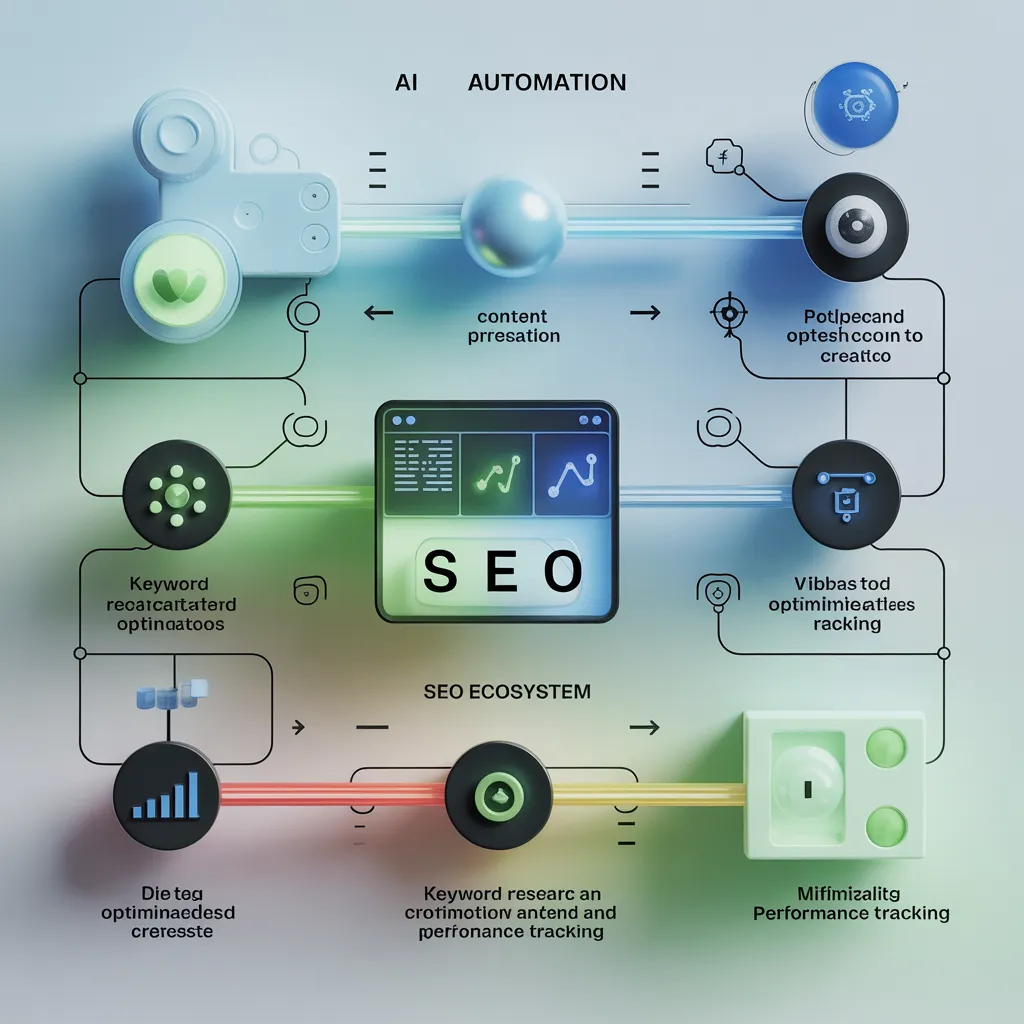
Integrating AI automation in the SEO ecosystem signifies a notable shift in digital marketing strategies. By harnessing advanced technologies, businesses can enhance both efficiency and effectiveness in areas such as keyword research and content optimization. This shift not only streamlines processes but also offers deeper insights into user behavior. As the landscape continues to evolve, understanding the implications of AI on these facets becomes essential for marketers seeking to maintain a competitive edge.
Comprehending AI in SEO: The Basics
With the evolution of the digital landscape, understanding AI in SEO turns more crucial for both marketers and businesses. AI technologies are reshaping how search engines interpret information and rank content, enabling more sophisticated and efficient optimization strategies. By employing machine learning algorithms, businesses can examine vast amounts of data to identify patterns and trends that guide their SEO efforts. This empowers them to develop content that engages target audiences while following search engine guidelines. Furthermore, AI facilitates real-time adjustments to SEO tactics, ensuring that strategies remain current in an dynamic digital environment. Through predictive analytics, businesses can anticipate shifts in consumer behavior and adjust their approaches correspondingly. Grasping the fundamentals of AI in SEO empowers marketers to harness these advancements, eventually enhancing their visibility and competitiveness in search engine results. Therefore, a solid grasp of AI's role in SEO is essential for sustained digital marketing success.
Improving Keyword Analysis and Research Using AI
AI technologies are revolutionizing keyword research and analysis, making the process increasingly efficient and insights-driven. By utilizing machine learning algorithms, businesses can analyze vast datasets to discover emerging keywords and trends that could easily be overlooked. These technologies facilitate the identification of high-potential keywords with superior precision, allowing marketers to concentrate on terms that are expected to increase traffic.
Additionally, AI solutions can analyze competitor keyword tactics, supplying insights into which keywords are working well in the industry. This competitive intelligence assists businesses refine their own keyword targeting. Natural language processing capabilities facilitate for enhanced understanding of user intent, allowing more precise keyword suggestions.
AI's Role in SEO: Influence on Content Production and Refinement
The integration of artificial intelligence into content creation and optimization is transforming how marketers approach SEO initiatives. AI tools analyze massive volumes of data to grasp popular subjects, user intent, and semantic relevance, allowing marketers to produce premium content that resonates with target audiences. By recommending relevant keywords and phrases, AI strengthens the optimization process, guaranteeing that content aligns with search engine algorithms.
In addition, ML algorithms can project content performance based on historical data, supporting strategic decision-making. AI-powered solutions also support real-time content adaptations, empowering marketers to respond quickly to variations in audience behavior or search trends. This adaptability not only enhances content visibility but also increases user engagement. Finally, the use of AI in content creation and optimization optimizes workflows, minimizes manual effort, and empowers marketers to generate captivating, SEO-friendly content more seamlessly, meaningfully impacting their overall digital marketing performance.
How Is AI Transforming User Experience?
AI significantly transforms user experience by allowing for personalized content delivery customized to individual preferences. Moreover, it strengthens the understanding of search intent, allowing for more relevant and timely results. This shift not only improves user satisfaction but also fosters greater engagement with digital platforms.
Individualized Content Provision
With evolving user expectations, tailored content presentation stands out as a essential factor in enhancing user experience. AI technologies related content enable marketers to analyze extensive quantities of data, enabling them to tailor content to individual preferences and behaviors. By employing machine learning algorithms, businesses can detect patterns in user interactions, guaranteeing that the right content reaches the right audience at the right time. This focused strategy not only increases engagement but also encourages customer loyalty, as users feel appreciated and recognized. Additionally, AI-driven recommendations improve navigation, leading users through tailored pathways that resonate with their interests. Finally, personalized content delivery transforms the way users interact with brands, establishing more meaningful connections and pushing conversion rates higher.
Improved Query Intent Recognition
Grasping search intent has become progressively advanced, significantly affecting user experience in the digital landscape. Artificial intelligence plays a vital role in this evolution, empowering algorithms to examine user behavior and intent with greater accuracy. By leveraging machine learning and natural language processing, AI can analyze queries to discern nuances in user motivations, whether they seek information, products, or services. This strengthened understanding allows search engines to deliver exceptionally relevant results, thereby boosting user satisfaction. Additionally, AI-driven tools can adjust to evolving trends and user preferences, ensuring that content aligns with changing search intent. As a result, businesses can enhance their strategies, providing a more tailored and engaging user experience that cultivates loyalty and elevates conversion rates.
Using AI to Construct Effective Link Building Tactics
Although traditional link building often depends on manual outreach and lengthy research, utilizing AI can substantially improve the efficiency and effectiveness of these strategies. AI systems can examine vast datasets to pinpoint potential link possibilities, evaluating the relevance and authority of target domains. By utilizing natural language processing, AI can also generate tailored outreach messages that connect with specific audiences, increasing the probability of positive responses.
Furthermore, AI can help in predicting which backlinks are most likely to deliver significant traffic and engagement, enabling marketers to prioritize their efforts. Automated tools can streamline the outreach process, monitoring communication and follow-ups to maintain consistent engagement. Furthermore, AI can provide insights into competitors' link-building strategies, revealing gaps and opportunities for improvement. Overall, integrating AI into link building not only saves time but also generates more strategic, data-driven decisions that enhance overall SEO performance.
Gauging Performance With AI Analytics
In what ways can AI analytics transform the way digital marketers assess success in their SEO efforts? AI analytics provides sophisticated tools that enable marketers to monitor and understand massive quantities of data with unmatched accuracy. By leveraging machine learning algorithms, these tools can evaluate audience behavior, keyword performance, and engagement metrics to identify patterns and insights that standard analytics might overlook.
This analytical method enables marketers to establish more precise KPIs and targets, promoting a better understanding of what strategies are successful. Additionally, AI analytics can optimize reporting processes, delivering real-time updates that allow for swift adjustments to campaigns.
With predictive capabilities, marketers can forecast future trends using historical data, enhancing decision-making. Ultimately, AI analytics not only optimizes the measurement of SEO success but also allows marketers to refine their strategies constantly, ensuring sustained growth and enhanced ROI in an rapidly shifting digital landscape.
Future Trends: The Evolution of AI in Digital Marketing and SEO
AI's future in digital marketing and SEO is set for substantial transformation, driven by advanced algorithm predictions and the increasing importance of voice search optimization. As businesses increasingly integrate predictive analytics, they will obtain greater insights into consumer behavior and trends. This evolution is set to reshape strategies and improve the effectiveness of marketing efforts.
Enhanced Algorithm Projections
Since developments in artificial intelligence persistently reshape the digital marketing landscape, enhanced algorithm predictions are emerging as a essential trend in SEO. These sophisticated systems leverage machine learning to analyze massive datasets, allowing for more accurate forecasting of search engine behavior and ranking factors. By recognizing patterns and trends, AI-driven tools can deliver insights that help marketers optimize their strategies successfully. This evolution allows businesses to adapt their content and SEO techniques in real-time, aligning closely with user intent and search engine updates. Enhanced algorithm predictions not only improve keyword targeting but also facilitate a proactive approach to SEO, making certain that brands remain competitive in an dynamic digital environment. In the end, this trend represents a new era of data-driven decision-making in digital marketing.
Voice Search Optimization
What propels the rising relevance of voice search optimization in modern digital marketing terrain? The rise of smart speakers and voice-activated devices has revolutionized consumer behavior, motivating users to seek information through spoken queries. This shift necessitates a rethinking of SEO strategies, as traditional keyword-focused approaches fail to adequately addressing conversational search patterns. Marketers must focus on natural language and long-tail keywords to align with how people verbally formulate their questions. In addition, optimizing for local searches becomes vital, as many voice queries include location-based requests. As AI technologies evolve, incorporating voice search capabilities into digital marketing strategies will be imperative for maintaining competitive. Welcoming these changes allows businesses to improve user experience and improve visibility in an increasingly voice-driven market.
Predictive Analytics Implementation
As numerous marketing professionals continue adjusting to AI-driven tools, the integration of predictive analytics is set to transform digital marketing and SEO strategies. By harnessing historical data and user behavior patterns, predictive analytics empowers marketers to anticipate future trends and consumer preferences. This proactive approach permits businesses to personalize their content and optimize their SEO efforts more effectively. Moreover, predictive analytics can enhance keyword targeting and audience segmentation, guaranteeing that marketing campaigns are both relevant and timely. As competition intensifies, organizations that adopt these advanced analytics tools will achieve a significant edge, driving higher engagement and conversion rates. Finally, the seamless incorporation of predictive analytics into digital marketing strategies marks a critical evolution in the SEO landscape.
Popular Questions
How Can Small Businesses Apply AI to Their SEO Methods?
Small businesses are able to leverage AI in their SEO strategies by utilizing tools for keyword research, improving content creation, enhancing user experience through personalized recommendations, and automating performance tracking to boost visibility and engagement in search results.
What Costs Come With Implementing AI in SEO?
Implementing AI in SEO typically involves costs such as software licensing fees, one-time setup charges, employee education investments, and sustained support and maintenance. These investments can vary greatly depending on the intricacy of the AI tools utilized.
What Risks Come with Over-Relying on AI for SEO?
Indeed, over-dependence on AI for SEO carries certain risks. Heavy reliance may bring about insufficient human perspective, likelihood of diverging from user goals, and sensitivity to algorithm adjustments, eventually impacting website performance and engagement.
How Does AI Impact Local SEO Rankings?
AI influences local SEO rankings by analyzing data to refine content for local searches, boosting keyword targeting, and enhancing user experience. It empowers businesses to gain deeper insights into customer preferences, consequently increasing visibility in local search results.
Can AI Solutions Be Integrated Alongside Existing SEO Software?
AI solutions integrate effortlessly with current SEO platforms, enhancing functionalities and data analysis. This merger provides enhanced keyword research, content optimization, and performance tracking, resulting in highly efficient digital marketing strategies.